
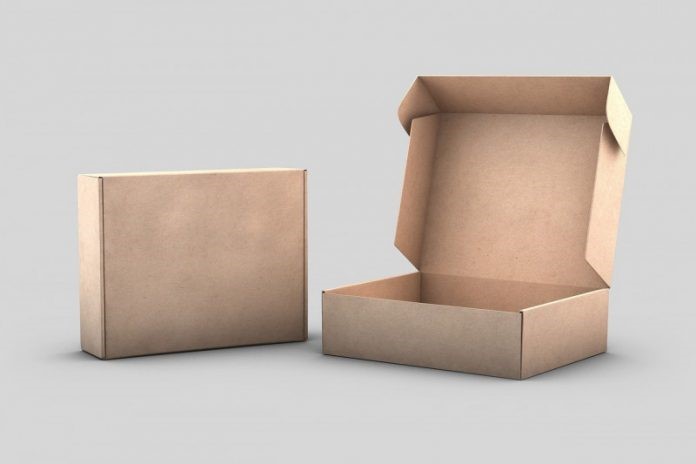
Paper/cardboard
Paper/cardboard
Paper is obtained from cellulose, a raw material that is the main component of wood. Many trees need to be cut down to produce paper. Since we are talking about a natural resource, it is necessary to take care of its quantity.
It is possible to recycle all types of newspapers, cardboard, paper and cardboard bags, writing paper and paper and cardboard packaging 5-7 times.
In order for paper recycling to be successful, clean paper separated from contaminants such as food, plastic, metal is needed.
Mixing waste paper with other packaging waste reduces its usability.
Today, recycled paper or fibrous material is made almost exclusively from collected old paper. About 80% of the collected waste paper can be used for the recycling process, and about 20% is miscellaneous waste.
It takes about three months for paper to decompose in nature
Interesting facts
By recycling 1 ton of waste paper, 17 trees are saved. By recycling the same amount of office paper, 24 trees are saved, 4,200 kW of electricity and 32,000 l of water are saved.
Paper recycling means 64% energy savings, 58% water savings and 27 kg less air pollution
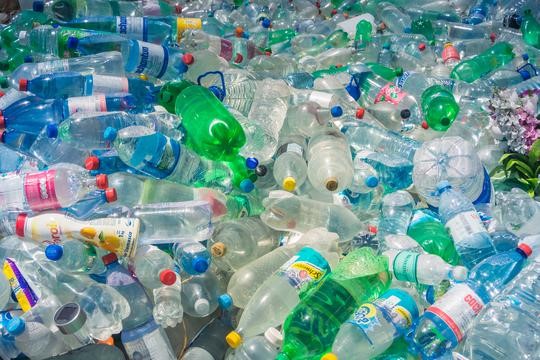
Plastic
Plastic
Plastic is a great material that is easy to manufacture, shape and weigh little. It is also very durable, which practically means that every piece of plastic ever produced still exists on the planet, in some form. These characteristics and the irresponsible management of the flow of this material have led to the creation of one of the biggest environmental problems we face today - plastic waste has covered the planet.
Interesting facts
Depending on the material, plastic can be recycled seven to nine times.
Plastic takes between 400 and 1000 years to decompose in nature.
Burning plastic consumes twice as much energy as recycling.
The use of recycled material in the production of plastic items has been used abroad for the last 30 years.
And why is plastic recycling done at all?
Because the product that is produced does not lose its quality, the price is acceptable because the recycled material is 60% cheaper than the original granulate.
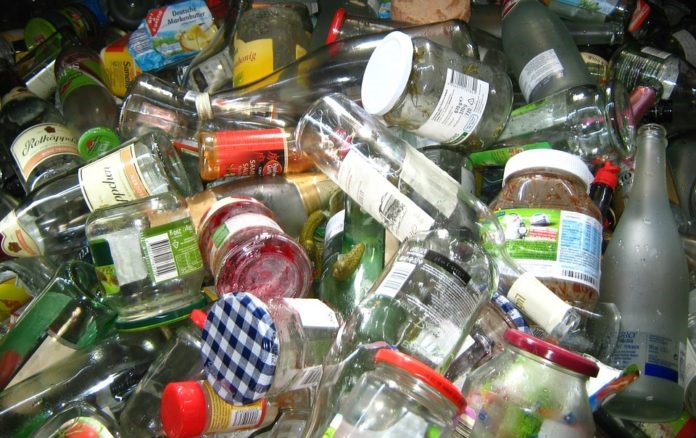
Glass
Glass
Glass
Glass is largely present in households and industry. It is used for the packaging of many food products as well as for making light bulbs, windows, mirrors, dishes, etc.
Glass recycling is the process of taking old glass products and turning them into new reusable products. Recycling old glass uses 40% less energy than it takes to produce new glass. Glass is made mostly of sand, lime and sodium carbonate.
Interesting facts
It takes more than 5000 years for glass to disintegrate
Glass is a 100% recyclable material.
It can be recycled countless times, but it cannot be decomposed in nature.
Clear glass cannot be recycled together with green or brown glass. Each color of glass is recycled separately.
With every ton of glass that is recycled, more than a ton of raw materials are saved that are needed to produce new glass.
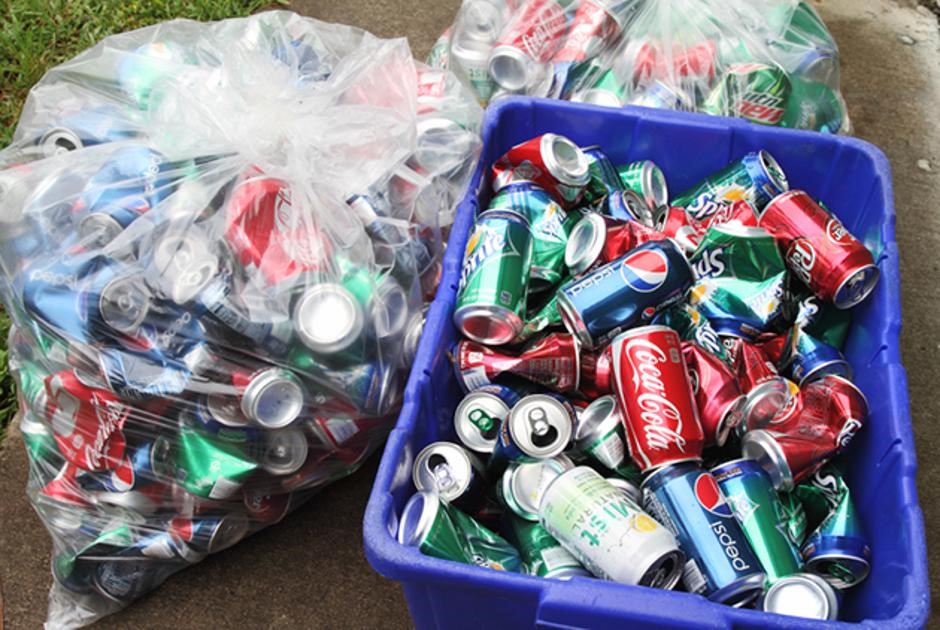
Metals
Metals
Metal is produced from natural raw materials, ores, which make up a significant part of the state's wealth. Because of
are about non-renewable sources of energy, whose supplies are depleted by unreasonable consumption.
In addition to controlling wear, it needs to be recycled. In this way, resources will be saved, the consumption of electricity, chemicals and water during production will be reduced, the amount of waste will be reduced and the environment will be preserved.
Interesting facts
Metal packaging is most often made of two types of this material - aluminum and steel.
Cans take between 100 and 500 years to decompose in nature.
Aluminum and steel can be completely recycled, an unlimited number of times.
Recycling one can saves energy for four hours of 100 W light bulb operation, 2 hours of TV operation and the production of 20 new cans.
Organic waste
Organic waste
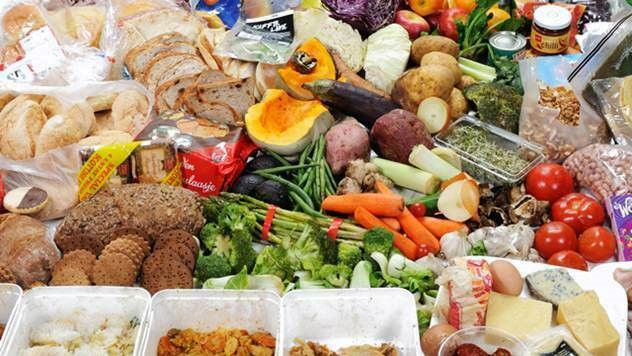
Organic, green or biowaste includes fruit and vegetable residues, grass, residues from agricultural production, tea bags, coffee grounds, thermally processed fruits and vegetables and other waste of plant origin (mown grass, torn off twigs, remnants of pruned stems...).
It makes up about 30% of our household waste, which is not a small percentage. This waste contains carbon as a basic element.
The problem of its disposal can be solved through the composting process by turning organic waste into fertilizer / humus.
The low level of environmental awareness among citizens causes, among other things, the creation of an increasing number of illegal landfills where organic waste is also disposed of. At the same time, huge amounts of discarded material remain unused, which represents a great economic and energy loss.

Hazardous waste
Hazardous waste
Hazardous waste is waste that, due to its origin, composition or concentration of hazardous substances, can cause danger to the environment and human health and has at least one of the dangerous characteristics established by special regulations that make it dangerous, including the packaging in which the hazardous waste was or is packed.
Hazardous waste is most often generated in industry, but also in households, because hazardous substances are found in many products that surround us, such as used batteries, old medicines, paints and varnishes, various chemicals, waste motor oil, etc. Such waste contains substances that can be toxic, carcinogenic, mutagenic, infectious, flammable, and which enter the biological chain through soil and water and can cause people to fall ill and have a harmful effect on other living things.
Dangerous products, although used in accordance with the instructions, can become dangerous when people forget the warning that these are dangerous products or when they handle them negligently and irresponsibly. The biggest problem is the lack of knowledge and awareness about the harmfulness of these products to people and their living environment.